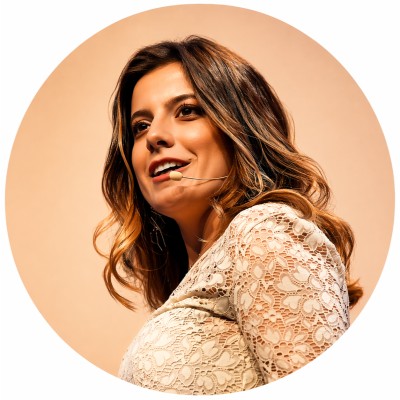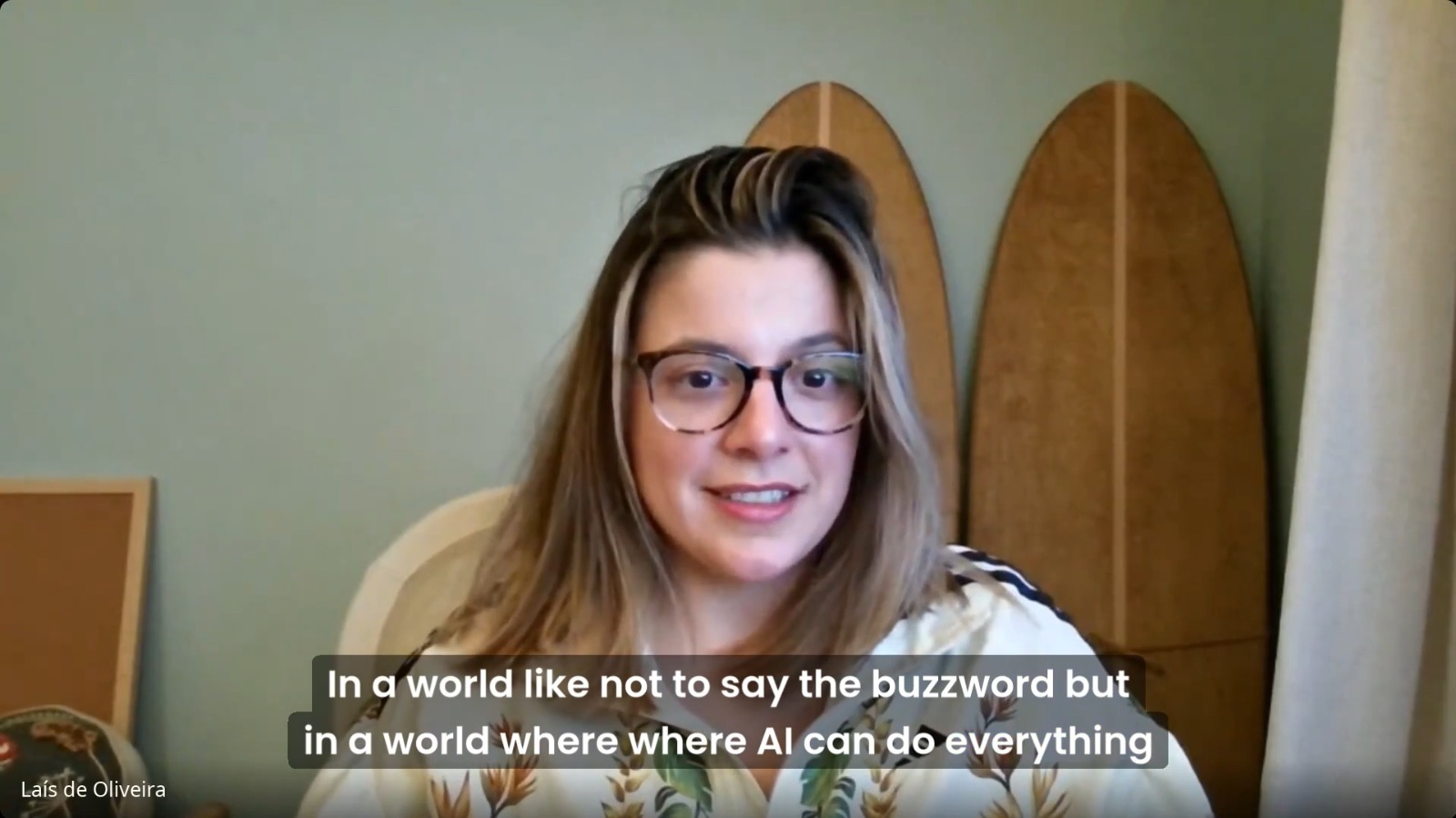
Laís de Oliveira is a global community architect, founder, and author of Hacking Communities. Over the past 15 years, she's helped design and scale professional communities across dozens of cities and ecosystems, working with organizations like Startup Grind, Startup Genome, and On Deck.
In this Landa Talks episode, she breaks down why community is the hardest asset to replicate and how to build one that doesn't depend on you to survive.
"Building relationships is your moat in an AI world."
Laís believes the biggest competitive advantage professionals can build today is real human relationships. Tools and technology keep accelerating, but trust and community remain the hardest assets to replicate.
For fractionals and consultants, that means investing consistently in conversations, introductions, and meaningful exchanges. Connections that compound over time and often lead to opportunities years later.
Laís shared a framework for building professional influence in three stages:
"You start by creating value and recurring interactions. That's how trust compounds."
Asked how someone becomes recognized as a trusted expert inside a community, Laís pointed to a simple rule: help others first.
Throughout her career, she's consistently connected people, shared insights, and listened to what others actually needed — and many of her current opportunities trace back to relationships built five or more years ago, often through former bosses or clients who already trusted her work. Most of her jobs, by her own account, came without ever formally applying.
"If you genuinely enjoy helping people and connecting with them, opportunities start appearing naturally."
One of Laís's more counterintuitive lessons: the healthiest communities are the ones where the founder isn't at the center. From day one, she recommends delegating power to collaborators and administrators so the community belongs to a shared cause rather than a personal brand. Therefore leaders act as stewards, not owners, and let the mission outgrow them.
In practice, that means a clear manifesto, defined community guidelines, and core members empowered to lead initiatives. One of her own communities has been thriving for more than 10 years because the purpose — not the leader — became the central force holding it together.
✅ Relationships are the moat AI can't replicate — invest in conversations and introductions even without an immediate payoff.
✅ Build authority in stages: Lighthouse (point of reference), then Port (people return for advice), then City (a lasting ecosystem).
✅ Help first, ask rarely. Most consistent opportunities come from relationships, not applications.
✅ Design communities to outlast you: delegate power early, define a manifesto, let the purpose lead instead of the founder.
✅ Treat trust as something you compound over years, not something you can shortcut with tools.
⚡️ Laís's episode was a reminder that in a market increasingly run by algorithms, the one advantage that doesn't automate is trust — and trust only compounds if you keep showing up for the people in your orbit.
Laís de Oliveira
Global community architect, founder, and author of Hacking Communities. Over the past 15 years, she has helped design and scale professional communities across dozens of cities and ecosystems, working with organizations such as Startup Grind, Startup Genome, and On Deck. She advises founders, organizations, and independent professionals on designing communities where trust compounds and opportunities emerge naturally.